PixComic guide
AI Comic Strip Generator: Make Short Comic Scenes
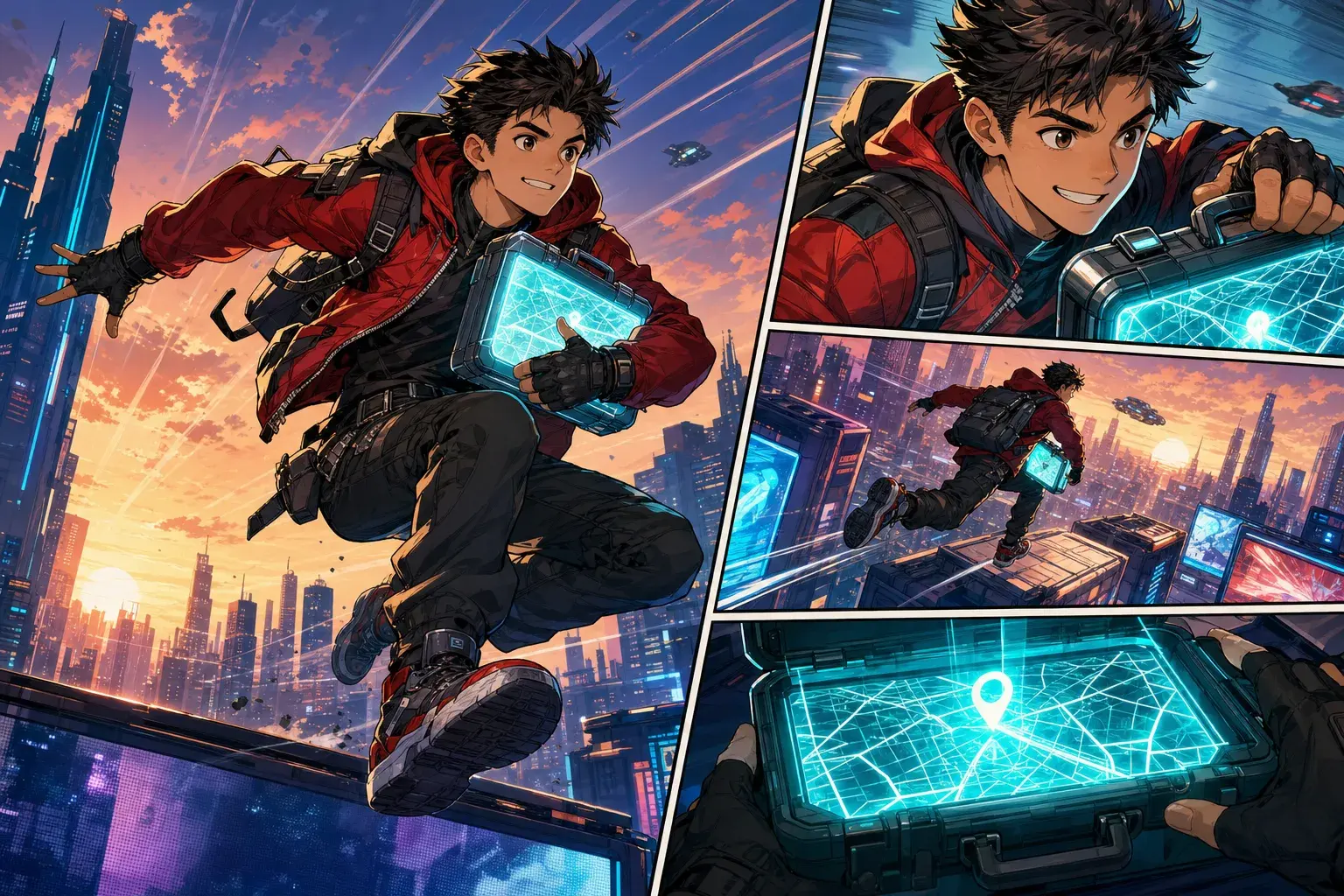
Short strips work best when the prompt has a clear setup, one twist, and a final visual payoff instead of a broad story outline.
Keep the strip to one idea
An AI comic strip generator works best with one joke, one reaction, or one small story turn. If the prompt tries to include a whole episode, the strip loses focus.
Use a four-beat structure: setup, expectation, twist, and payoff. Each beat should be visible enough to become a panel or page moment.
Make the punchline visual
A comic strip punchline should be something the reader can see. A character opens the wrong door, misunderstands an object, reacts to a surprise, or reveals an unexpected result.
Pure wordplay is harder for image generation. Visual reversals, body language, and props give the strip a clearer ending.
Use fewer characters
Short strips usually need one lead and one other force: a friend, pet, rival, deadline, object, or mistake. More characters make the strip harder to read.
If you need recurring strip characters, create or reuse them first and keep their roles stable across prompts.
Pick a style that supports speed
Comic style is a strong default for strips because it emphasizes clear expressions and readable action. Manga can work when the joke depends on dramatic overreaction.
Avoid overloading the style prompt with too many camera directions. The strip needs a clean sequence more than decorative complexity.
Turn a good strip into a series
When a strip works, continue with the same character role and a new problem. This gives you a repeatable format for social posts, short stories, or creator experiments.
PixComic can support this by keeping the real tool flow close to the strip guide: prompt, style, generation, continuation, sharing, and export.
Practical checklist for AI comic strip generator workflow
Before generating, check whether the prompt names one main character, one setting, one immediate problem, and one visible ending beat. This keeps AI comic strip generator workflow focused enough for a readable comic sequence.
The prompt should also say why the scene matters. A clear goal, interruption, reveal, or reaction gives PixComic a stronger path than a list of visual adjectives.
Prompt patterns to copy
For a dramatic scene, write: character wants a result, a second force blocks it, the mood changes, and the final panel reveals new information.
For a lighter scene, write: character expects one outcome, the scene gives the opposite, and the last beat makes the reversal obvious. Adjust the style words for comic, manga, manhwa, or manhua instead of reusing the exact same prompt.
Mistakes that make pages thin
Thin comic results usually come from broad prompts such as “make a cool comic” or from asking for too many scenes at once. Those prompts create images, but not a guideable story path.
Another common mistake is changing the character, style, location, and conflict in every generation. Keep the core role stable, then change one story variable at a time.
Next step in Comic Strip Maker
Open Comic Strip Maker when the scene idea is ready. Start with a short prompt, generate the first pages, then decide whether to continue, regenerate, or rewrite the ending beat.
If the first result is close, continue from it. If the result misses the main conflict, shorten the cast and make the last panel more specific before trying again.
Prompt kit you can adapt
Use this structure as a starting point, then open a related PixComic tool with the matching creator setup.
Reliable prompt formula
- Main cast and role
- Setting and visual mood
- Visible conflict or surprise
- Comic style and page rhythm
- Final panel or continuation hook
Template 1: Comic Strip Maker
A four-beat comic strip about a surprising misunderstanding, with a clear punchline at the end. Short strips work best when the prompt has a clear setup, one twist, and a final visual payoff instead of a broad story outline.
Open with this promptTemplate 2: Story to Comic
A short adventure scene with a clear beginning, conflict, and ending, told as a readable comic. Short strips work best when the prompt has a clear setup, one twist, and a final visual payoff instead of a broad story outline.
Open with this promptTemplate 3: Comic Book Maker
A dramatic first chapter for a comic book with a memorable hero, visual conflict, and a final hook. Short strips work best when the prompt has a clear setup, one twist, and a final visual payoff instead of a broad story outline.
Open with this promptCommon questions before you create
Can I use this AI Comic Strip Generator guide directly in PixComic?+
Yes. Start from Comic Strip Maker, paste a compact scene prompt, then generate and continue the pages inside PixComic.
What should the first prompt include?+
Include the cast, setting, visible conflict, style, and final beat. That gives PixComic enough direction to create readable pages.
Should I generate a whole comic at once?+
Start with one focused scene first. Continue only the version where the characters, pacing, and final hook already work.
Tool references for this guide
Open the related PixComic tool pages when you are ready to turn the advice into generated comic pages.
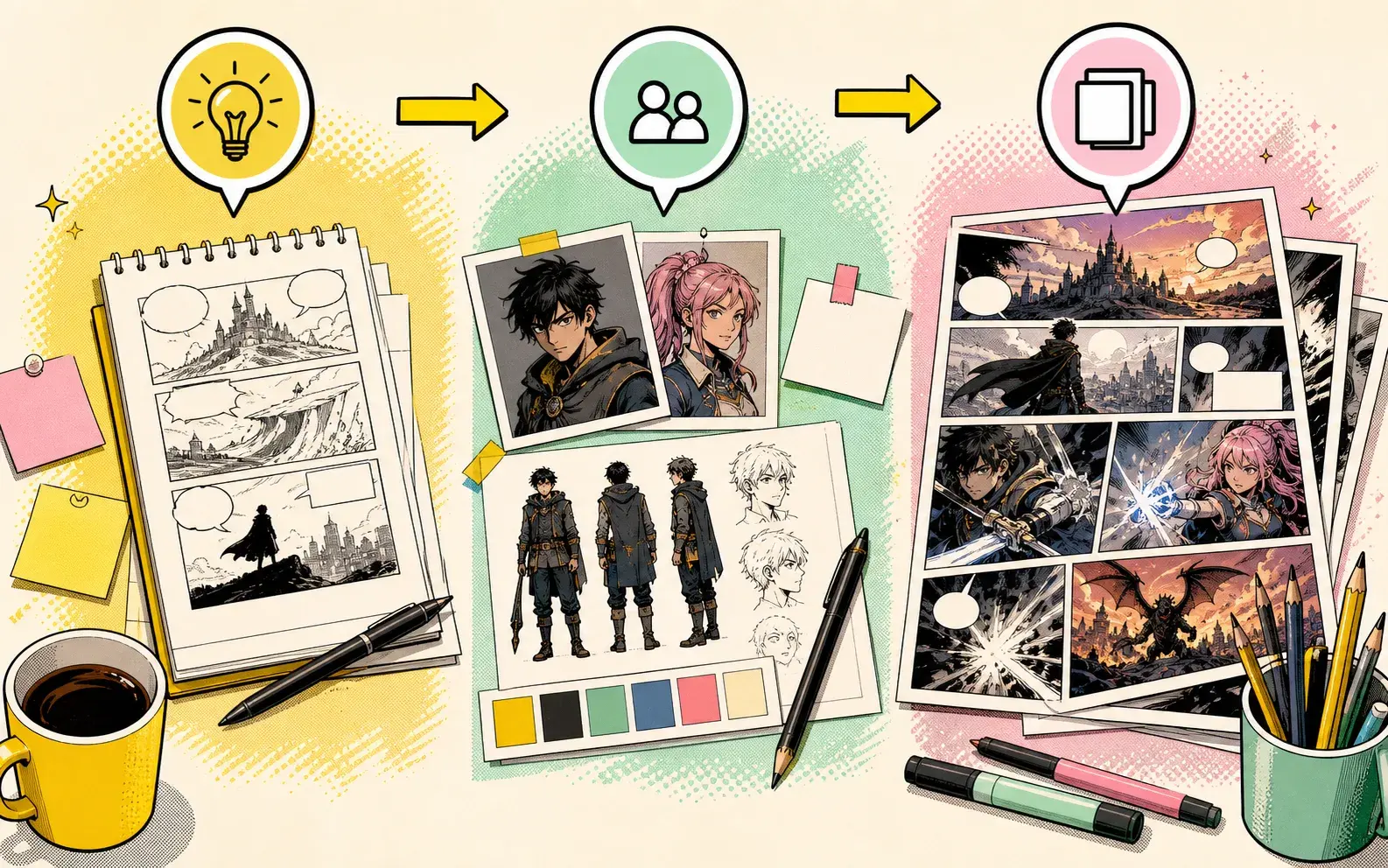
Prompt sets for high-intent AI comic searches
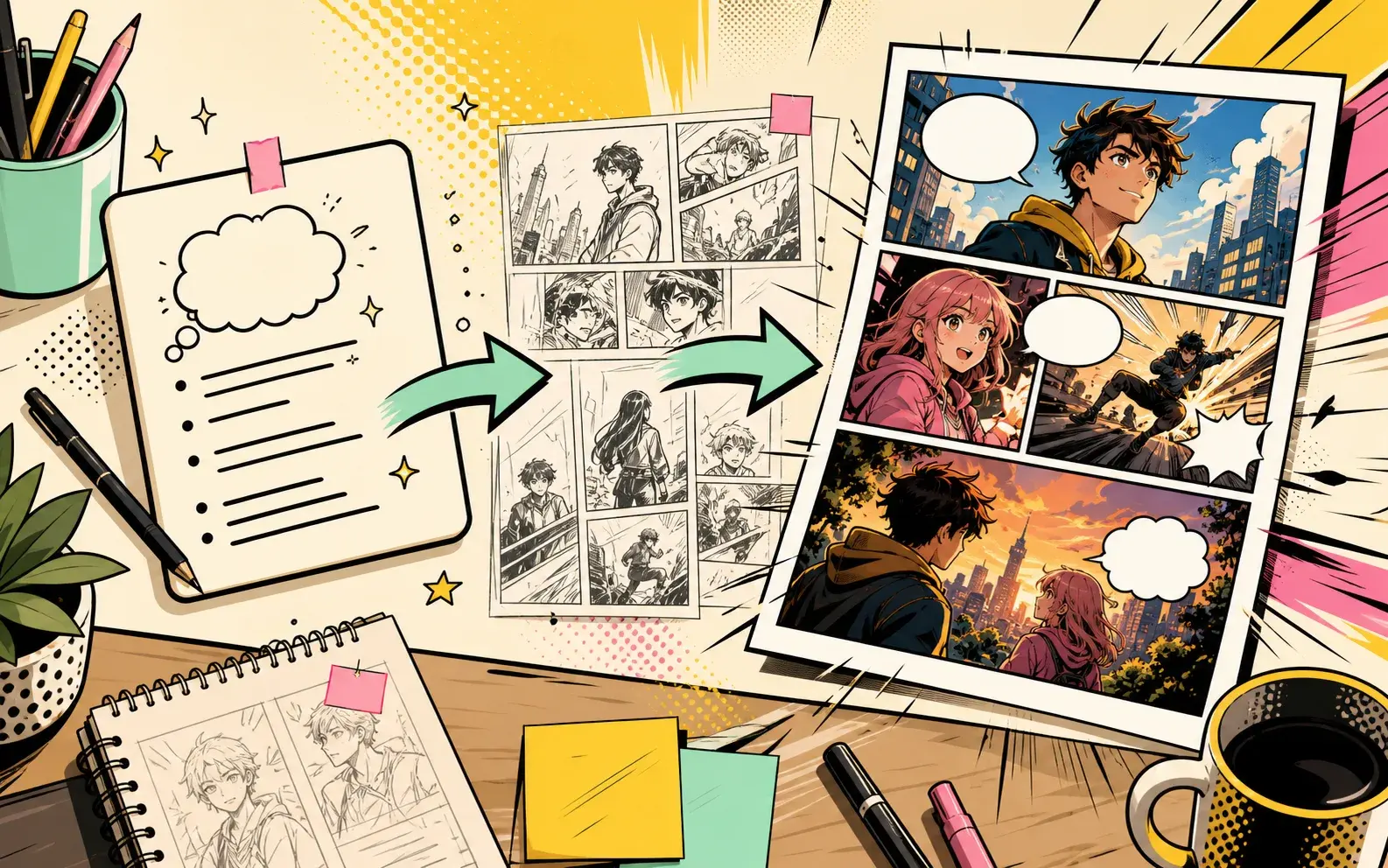
Each set explains what to include in the prompt, gives ready-to-use examples, and links to the matching PixComic creator flow.
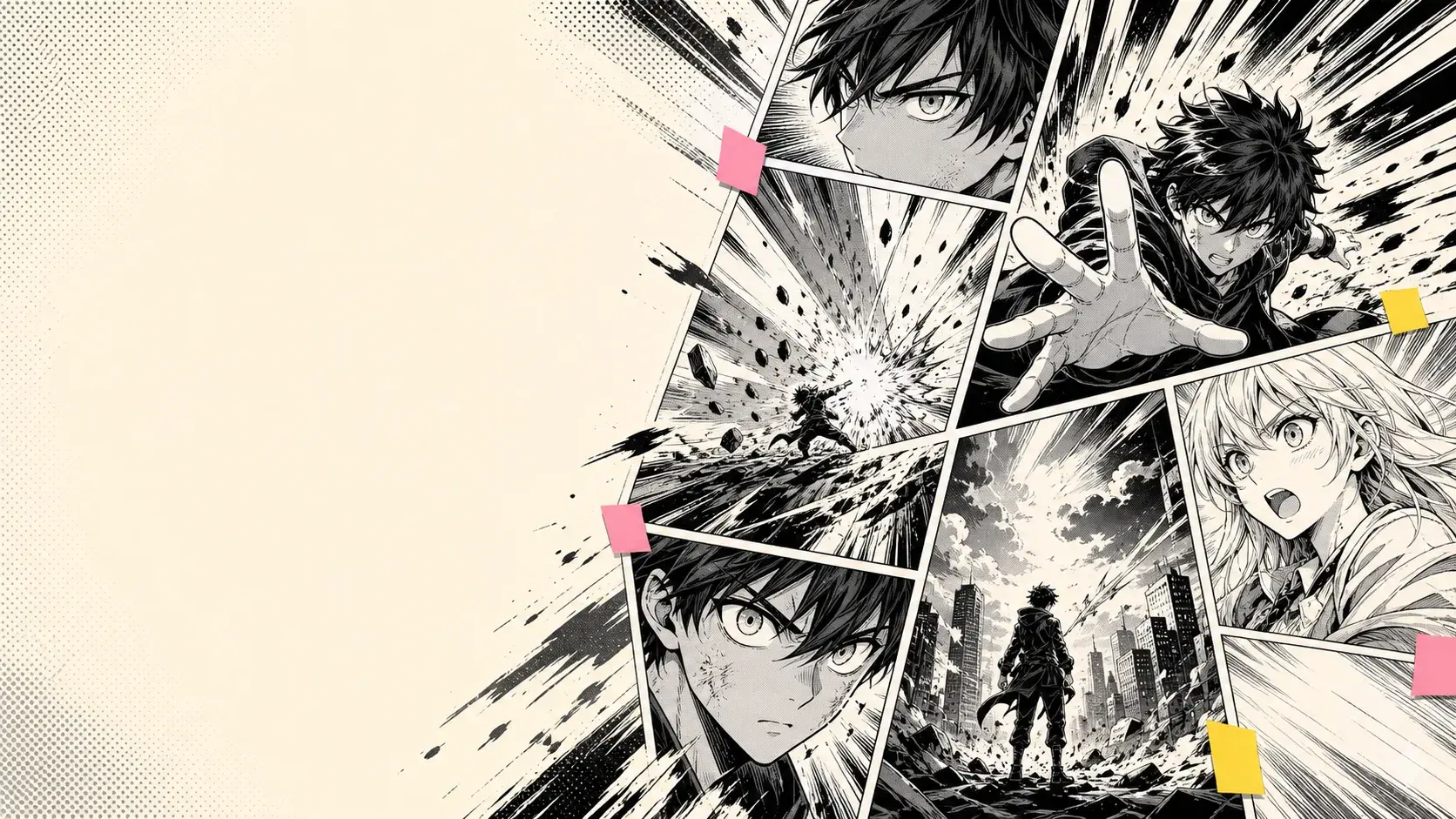
Example pages for high-intent AI comic searches
Each example includes the prompt shape, why the image works, and which PixComic tool to open next.